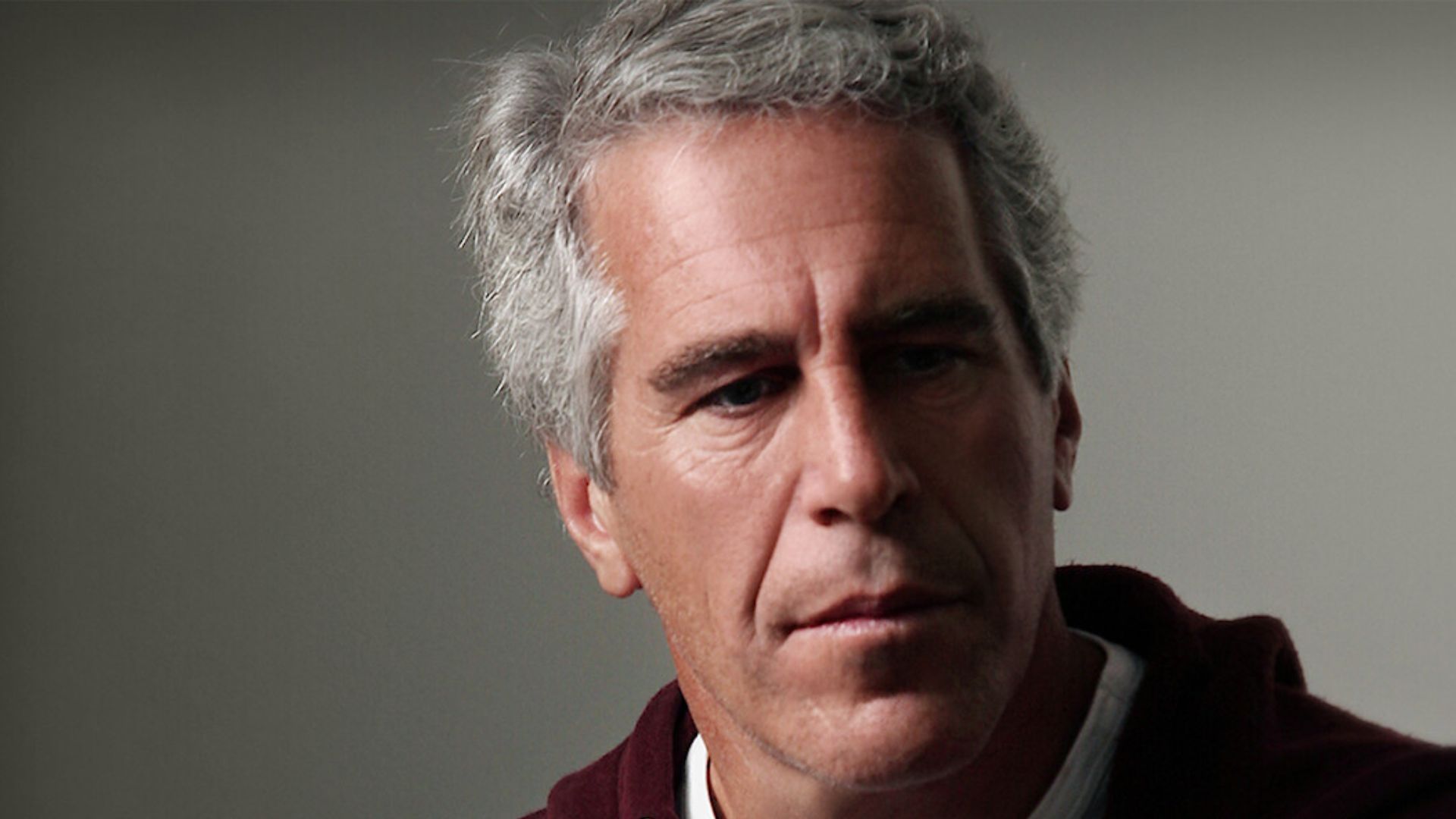
The Jeffrey Epstein case has continued to make headlines because it involves criminal abuse, rich connections, and questions about how justice was or was not served. The men and women who claimed they were victims of abuse spoke of being recruited again and again, of traveling on private jets, and of being abused at homes and a private island. Epstein had skirted serious federal charges for many years because of a 2008 agreement that prosecutors later said was improper.
His 2019 arrest on new federal s*x-trafficking charges and subsequent death in custody brought further attention to prosecutors, prison officials, and the influential individuals to whom Jeffrey Epstein was connected. In the past few months, the U.S. Department of Justice has made public a vast number of documents, and through these, new information has come to light, as well as new questions, regarding redactions, financial information, and names that appear in flight logs and photos.
For a deeper look into the survivors’ stories and the investigation, watch the docuseries Jeffrey Epstein: Filthy Rich, available on Netflix. This four-part series features interviews with victims and explores Epstein’s rise and fall. The unsealed files continue to raise questions about accountability.
7 unsettling facts from the Epstein Files
1. The 2008 non-prosecution deal that let Epstein avoid federal charges
Among the first and most significant discoveries was the non-prosecution agreement in 2008 in Florida, which enabled Jeffrey Epstein to plead to reduced state charges and serve a sentence with work release. This agreement was reached between U.S. prosecutors in Miami and later deemed an act of “poor judgment” by the Justice Department’s internal review because victims were not adequately notified and because it helped avoid federal prosecution.
This agreement protected Jeffrey Epstein and possible co-conspirators from federal investigation for several years and became a major point of contention when federal prosecutors reopened the case in 2019. There is evidence of the agreement’s terms and consequences, including resignations and congressional indignation, as reported by the Washington Post.
2. The scale and mechanics of trafficking shown by victim statements and documents
The pattern that has emerged from court documents, depositions, and investigative journalism is that Jeffrey Epstein’s enterprise was one that paid victims and recruiters, that young women were delivered to properties in New York, Florida, and the Caribbean, and that some of these women were allegedly trained to recruit others. Depositions and interviews from victims that entered public record include systematic grooming, payment, and organization, such as massage sessions that led to abuse, use of private jets, and use of staff and associates to facilitate meetings.
Investigative journalists who examined police reports and interview transcripts have noted the patterns that have emerged, which correspond across several victims’ accounts, highlighting the scope of alleged trafficking as opposed to isolated incidents. The primary sources and court documents have been the foundation of mainstream reporting on the abuse ring, as reported by AP News.
3. Names, flight logs, and prominent acquaintances
Documents and released files include passenger logs, calendars, and photographs that mention or show meetings with many high-profile people. Major outlets have catalogued which well-known figures appear in records—some as social acquaintances, others as appearing in estate photos or flight manifests. Importantly, appearance in a file or image is not evidence of criminal conduct, and many named individuals have denied wrongdoing.
Still, the files have amplified public questions about how Jeffrey Epstein moved through elite circles, and why some names appear repeatedly in documents under review by journalists and lawmakers. Mainstream reporting lists and explains the context of these entries while noting denials and the absence of criminal charges for most people named, as reported by The Washington Post.
4. Financial mysteries: how Epstein funded a lavish life despite unclear clients
Reporting by financial journalists has highlighted that Jeffrey Epstein’s wealth and its sources remain murky. Investigations show that he controlled accounts, companies, and trusts that funneled money for property purchases and private staffing. Some reporting describes federal interest in tracing transactions and subpoenas seeking detailed financial records dating back years.
Questions persist about whether Epstein’s role as a “wealth manager” masked unusual financial arrangements and whether investigators missed paper trails that would explain how his lifestyle was funded. Mainstream business reporting has focused on these transactions and on probes into money-laundering possibilities, as per Bloomberg.
5. Controversy over Jeffrey Epstein’s death and the integrity of jail procedures
Epstein’s death in August 2019—ruled a suicide by the New York City medical examiner—sparked immediate controversy. Reporting from mainstream outlets documented procedural failures at the Metropolitan Correctional Center: required checks were missed, cameras reportedly had problems, and staff conduct came under investigation.
The combination of procedural lapses and the high stakes of the case led to multiple official probes (including by the FBI and DOJ inspector general) and wide public skepticism. Subsequent reporting and documentary work have reviewed autopsy photos and official statements; those mainstream reports present the facts, the official ruling, and the reasons family and others found the circumstances troubling, according to AP News.
6. Ghislaine Maxwell’s role and the criminal case against her
The arrest, trial, and subsequent conviction of Ghislaine Maxwell have emerged as a key part of the story of how Epstein’s network may have operated. In December 2021, a jury found Maxwell guilty of charges that included the recruitment and grooming of teenagers for s*xual abuse. News coverage and trial transcripts include testimony about Maxwell’s involvement in arranging encounters and travel.
Maxwell was subsequently sentenced to a long prison term; her conviction and sentence are a result of federal prosecutions that were widely covered by mainstream media sources, including trial coverage and summaries of trial evidence. These sources have aided in understanding the alleged managerial function that Maxwell is believed to have had within Epstein’s organization, as reported by Reuters.
7. Recent DOJ releases, redaction failures, and renewed harm to victims
The Justice Department’s release of a large number of Epstein-related files led to new revelations—and new problems. Journalists and victim lawyers reported that some released materials contained incomplete or faulty redactions, exposing victims’ names, photos, and even financial details. The DOJ later pulled thousands of documents to correct mistakes in redactions and promised changes to review procedures.
Mainstream media reported on what the documents show and the consequences of accidentally releasing sensitive information, as victims have come forward with claims of harassment and death threats in response to the availability of certain information in the public release. This latest news has brought renewed calls for the responsible handling of documents and further inquiry into the release of the documents, as reported by AP News.
Stay tuned for more information.
Also Read: Who Is Jeffrey Epstein? everything to know about the Epstein Files
Follow us on Instagram and Twitter.

Hilfa, Senior Writer at Hilvaro, excels in pop culture journalism. She crafts engaging content on movies, TV, & trends, fueled by her love for storytelling & entertainment.
Discover more from Hilvaro
Subscribe to get the latest posts sent to your email.