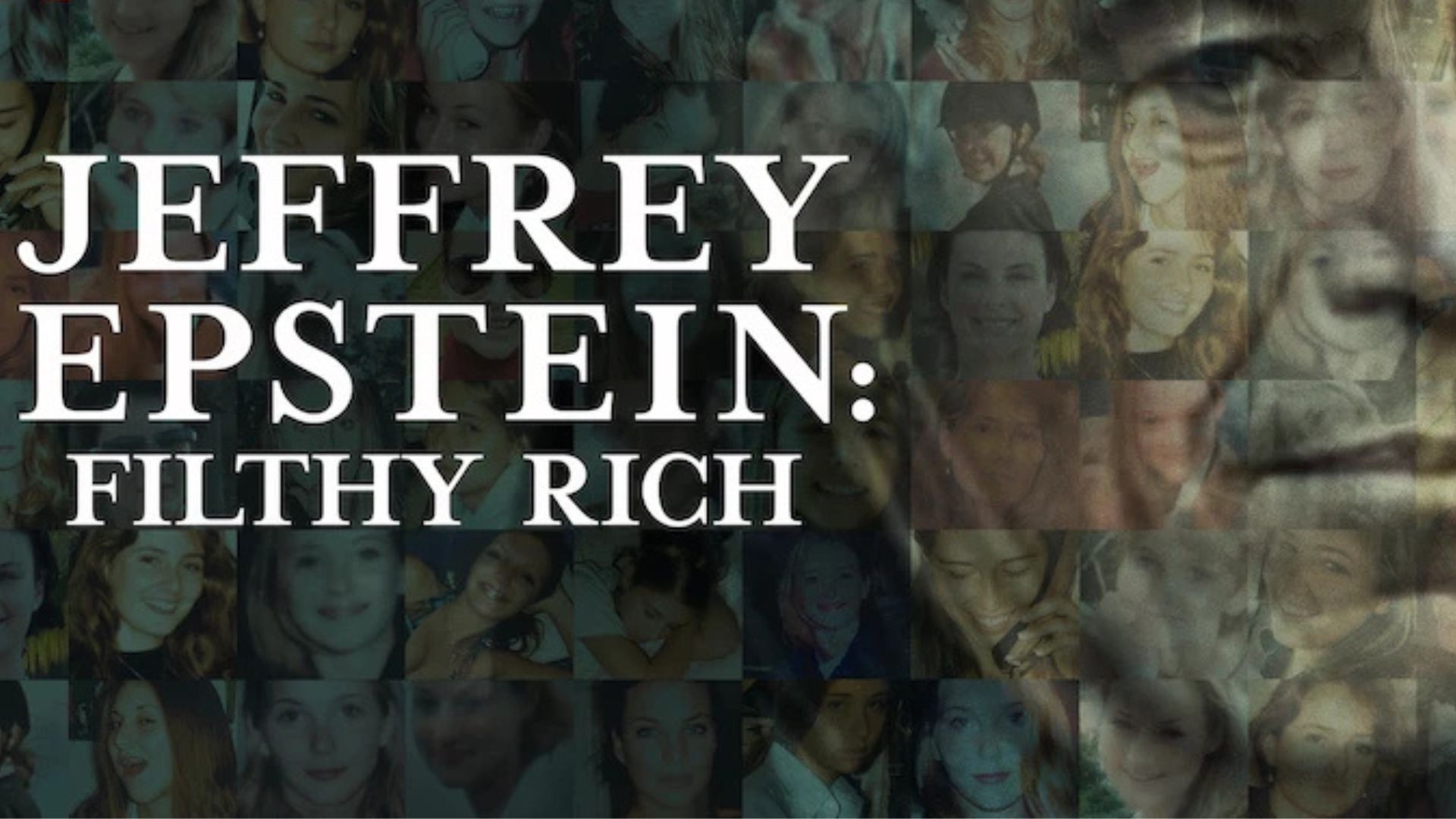
Jeffrey Epstein was an American financier who gained notoriety for his wealth, his connections with influential people, and, most importantly, for the allegations of s*xual abuse of minors. Epstein was born in 1953 and had a career in finance and philanthropy that brought him into contact with politicians, businessmen, and celebrities; by the 2000s, he owned properties in New York, Florida, New Mexico, and a private island in the Caribbean.
His name again surfaced in public attention following a contentious plea agreement in 2008 in Florida that allowed him to avoid federal charges; media attention and lawsuits by victims later resulted in a federal indictment in New York in 2019 for s*x trafficking of minors. Jeffrey Epstein died while in federal custody in August 2019, awaiting trial, leading to several investigations and public controversy.
The documentary series Jeffrey Epstein: Filthy Rich provides viewers with detailed information about Epstein’s abuses while showing the stories of his survivors. The show first became available on Netflix on May 27, 2020, and continues to be accessible for streaming on the service.
Early life, career, and rise to wealth of Jeffrey Epstein

Jeffrey Epstein was born in Brooklyn in 1953 and started his career as a teacher before switching to the financial industry in the mid-1970s. He was employed at Bear Stearns and later started his own financial management company. Epstein was known to have connections with influential people, hosting events and traveling the world; these networks contributed to the construction of public views of his wealth and influence.
Sources have reported that the true sources of Jeffrey Epstein’s wealth were not always clear. He managed funds for a small group of clients and utilized an offshore network of entities and private companies. Reporting in the national press has detailed the properties he owned and the luxurious assets he had that supported his public image as a very rich man, while investigative reporting has traced efforts by journalists and prosecutors to follow his finances. The high level of social visibility, coupled with secretive financial patterns, would later become relevant in civil and criminal cases, as per The Washington Post.
The 2008 Florida plea deal and consequences
In 2008, Jeffrey Epstein pleaded guilty in Florida to state charges of soliciting prostitution from a minor. The case concluded through a disputed non-prosecution agreement (NPA) that federal and state prosecutors had developed. The agreement allowed Epstein to serve 13 months in a county jail with work release, register as a s*x offender, and avoid federal prosecution for a wider set of allegations.
The deal received criticism from major newspapers and national reporting because it maintained secrecy and failed to warn victims about its existence. Documents, reporting, and congressional attention later labeled the NPA as a central point in understanding why federal prosecutors did not bring broader charges at that time. The 2008 case controversy created a foundation for future lawsuits, public outrage, and Justice Department transparency demands, as reported by The Washington Post.
Renewed investigation, 2019 arrest, and federal charges
Jeffrey Epstein faced arrest in New York in July 2019 after news outlets reported on his case and victims of his crimes pursued legal action against him. The indictment charged that Epstein had recruited dozens of minors between 2002 and 2005 to engage in s*xual acts in exchange for payments to bring other girls to his residences. The indictment unsealed by the Manhattan U.S. Attorney’s Office included evidence that the Justice Department used to demonstrate Epstein’s criminal activities that occurred in New York and Florida.
The arrest came after years of investigative journalism that brought forth new victims and alleged patterns of abuse; it also reignited public attention on previous prosecutors’ choices. Jeffrey Epstein pleaded not guilty; prosecutors claimed he operated a “pyramid scheme” of a network that used employees and associates to recruit minors. The federal case in 2019 was to be heard in Manhattan before Epstein’s death, as per the Department of Justice.
Death in custody and official inquiries
Jeffrey Epstein was found dead in his cell at Metropolitan Correctional Center (MCC) in New York on August 10, 2019. The New York City medical examiner determined that the cause of death was a suicide by hanging. The jail procedures for that particular night were not followed because questions arose about the procedures that normally should have been followed according to standard protocol.
These incidents resulted in FBI and Department of Justice Office of the Inspector General investigations, criminal charges against two guards for record falsification (which were later resolved through deferred prosecution agreements), and public interest in the events. Major investigations and reports highlighted procedural mistakes at the MCC while also noting the medical examiner’s determination. The intersection of procedural mistakes and Epstein’s connections led to mainstream media coverage and congressional hearings, according to the Department of Justice.
Victims, civil suits, settlements, and survivors’ advocacy
Hundreds of women have come forward with allegations that Jeffrey Epstein s*xually abused them when they were minors. Civil litigation produced both settlements and public testimony. After the 2008 agreement and the 2019 indictment, many survivors and their attorneys pursued lawsuits against Epstein’s estate and his associates; some cases resolved in monetary settlements, while others led to public depositions and revelations about how Epstein’s operations allegedly worked.
Survivors’ advocacy groups and lawyers have pushed for transparency, publicly criticizing government actions they say failed to protect victims or hold powerful enablers to account. Mainstream reporting has highlighted personal accounts of abuse and the long legal struggle survivors faced to be heard. The public record includes court filings, settlement agreements, and extensive media interviews documenting victims’ experiences and legal outcomes, as The Washington Post reported.
Associates, related prosecutions
The investigation into Jeffrey Epstein’s circle extended to both his staff members and his business partners who worked with him. The most well-known of these was Ghislaine Maxwell, an associate of Epstein’s who was arrested in 2020 and later convicted of crimes connected to Epstein’s abuse of minors. The trial provided evidence of Maxwell’s role as a recruiter who organized the victims’ accounts of their experiences, which included both new evidence and sealed documents that detailed his activities.
Other associates and business acquaintances have been subject to civil lawsuits or criminal investigations in the years following Epstein’s arrest and death. Major news sources have covered law enforcement’s efforts to track down leads, unseal documents, and pursue those who have been accused of involvement in trafficking or complicity in abuse. Federal investigations and civil lawsuits remain a source of new information and, at times, new litigation against those associated with Epstein’s activities, according to People.
Ongoing records releases, public documents, and why it matters
Government disclosures of documents related to Epstein, including filings from court cases, FBI and DOJ documents, and materials from civil lawsuits, have continued to emerge in the public domain. In the past few years, the Department of Justice and other government agencies have released tens of millions of pages of documents, although some of these releases have been criticized for errors that have led to the disclosure of sensitive victim data. Independent investigations in the press, on television, and in official reports from inspector generals are the main sources for publicly verifiable facts about the case, as per AP News.
Stay tuned for more information.
Also Read: Where is Elizabeth Smart now? Updates after the Netflix documentary Kidnapped: Elizabeth Smart
Follow us on Instagram and Twitter.

Hilfa, Senior Writer at Hilvaro, excels in pop culture journalism. She crafts engaging content on movies, TV, & trends, fueled by her love for storytelling & entertainment.
Discover more from Hilvaro
Subscribe to get the latest posts sent to your email.


One thought on “Who Is Jeffrey Epstein? everything to know about the Epstein Files”